

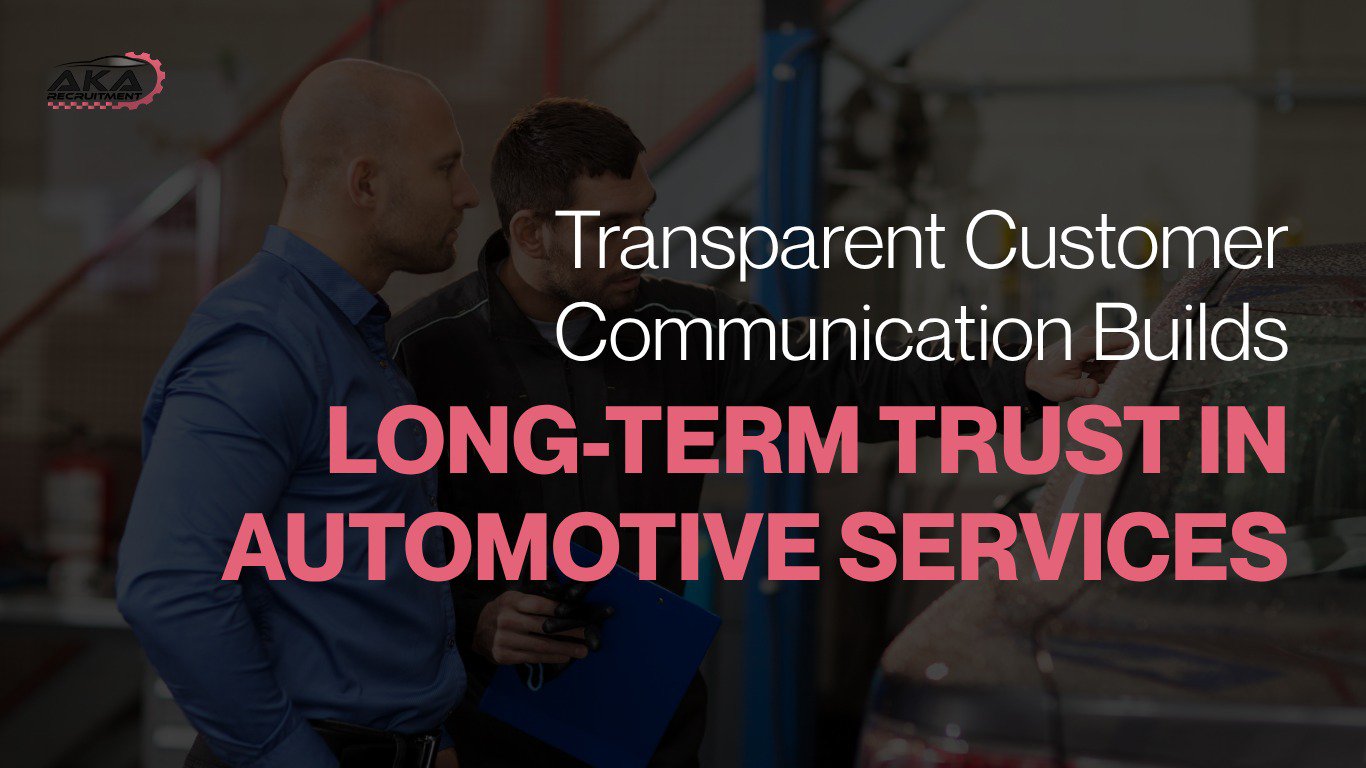
13 Jul Transparent Customer Communication Builds Long-term Trust in Automotive Services
Trust is one of the strongest drivers of customer loyalty in the automotive industry. Whether you run a dealership, local garage or electric vehicle service centre, customers want clear advice, fair pricing and realistic timelines before they agree to any work.
A fast quote is useful, but an accurate quote is even more valuable. When businesses combine quick responses with honest communication, they create a smoother customer communication experience, better experiences overall and encourage people to return.
Why transparent customer communication matters
Vehicle repairs and servicing can feel uncertain for customers. They may not understand the technical issue, know which parts are needed or have a clear idea of the total cost. This can make them cautious, especially when they have experienced unexpected charges in the past.
Transparent customer communication helps remove that uncertainty. Customers are more likely to trust a business when they receive:
- A clear explanation of the problem
- An accurate estimate before work begins
- Honest information about possible changes
- A realistic completion date
- Regular updates during the repair or service
- A straightforward explanation of the final invoice
Transparency does not mean every job will go exactly to plan. It means customers are kept informed when circumstances change, helping to improve customer satisfaction and reduce friction.
Provide accurate quotes from the beginning
A quote should give customers a reliable view of the likely cost. It should include labour, parts, VAT and any other relevant charges. If the final price may change after further inspection, explain this before work begins.
Avoid using vague language or giving customers an unrealistically low price simply to secure the booking. While this may create a short-term benefit, unexpected costs can quickly damage trust and reduce the chance of building customer loyalty.
A strong quoting process should:
- Confirm the customer’s requirements.
- Ask clear questions about the vehicle or service needed.
- Identify any information that may affect the price.
- Separate fixed costs from possible additional charges.
- Explain what is included in the quote.
- Provide a clear approval process before work starts.
Where possible, send quotes in writing. This gives customers time to review the details and reduces the risk of misunderstandings. It also supports clear customer communications across every touchpoint.
Set realistic service timelines
Customers often plan their day around a vehicle repair or service. They may need the vehicle for work, childcare, travel or business operations. Giving an accurate timeline is therefore just as important as providing an accurate quote.
Avoid promising a completion time before checking parts availability, technician capacity and the likely complexity of the work. A realistic estimate is more valuable than an overly optimistic promise and can support better performance across the customer service workflow.
For example, explain whether the timeline depends on:
- Parts arriving from a supplier
- Additional diagnostic work
- Manufacturer approval
- Specialist equipment
- An external repair or inspection
- A technician with specific expertise
If the timeline changes, contact the customer as soon as possible. Early communication gives them time to make alternative arrangements and shows that their time is respected. This proactive engagement can create more positive customer interactions.
Make communication easy to understand
Automotive terminology can be confusing for people who do not work with vehicles every day. Technical language may be necessary, but it should always be explained in plain English.
Instead of only saying that a vehicle has a fault with a particular component, explain:
- What the component does
- What has gone wrong
- How the issue affects the vehicle
- What could happen if it is not repaired
- What the recommended solution involves
A simple explanation helps customers make informed decisions without feeling pressured. It also demonstrates professional knowledge in a way that feels helpful rather than intimidating, giving customers the customer insights they need to make the smartest buying decision.
Use a no-pressure approach
No-pressure communication is essential for building lasting relationships. Customers should feel that they are receiving advice, not being pushed into spending more than they planned.
This is especially important when recommending additional work. Explain whether the issue is:
- Essential for safety
- Important for reliability
- Recommended for preventative maintenance
- Useful but not urgent
Give customers the information they need to decide. Where appropriate, explain the risks of delaying the work, but avoid using fear-based language or creating unnecessary urgency.
A respectful approach can lead to stronger customer loyalty, more revenue from repeat business and greater business success. Even if a customer chooses not to proceed immediately, they are more likely to return to a business that treated them fairly.
Keep customers updated throughout the process
Good communication should continue after the quote has been approved. Customers appreciate regular updates, particularly when a repair takes longer than expected.
A useful update should be brief and specific. It could confirm that:
- The vehicle has been booked in
- The inspection has started
- Parts have been ordered
- A new issue has been identified
- The repair is progressing as expected
- The vehicle is ready for collection
Do not wait for customers to chase an update. A proactive message can prevent frustration and reduce the number of incoming calls your team needs to manage. Businesses can use email, SMS, phone calls and other cross-channel customer conversations to deliver a consistent digital experience.
Build a consistent customer communication process
Consistency helps every member of the team provide the same high standard of service. Create simple guidelines for how staff should handle quotes, updates, delays and additional work.
A communication process might include:
| Customer stage | Recommended communication |
|---|---|
| Initial enquiry | Confirm the requirement and expected response time |
| Quote stage | Provide a clear written quote with key terms |
| Booking stage | Confirm the date, time and work agreed |
| During the service | Share progress updates and raise changes promptly |
| Delay or extra work | Explain the reason, cost and revised timeline |
| Completion | Confirm the work completed and final price |
| Follow-up | Check satisfaction and invite future questions |
Respond quickly without sacrificing accuracy
Fast turnaround is important, but speed should not come at the expense of quality. A rushed quote that contains errors can lead to confusion, rework and dissatisfied customers.
To improve response times while maintaining accuracy:
- Use standard quote templates
- Keep common parts and labour rates up to date
- Record customer and vehicle details carefully
- Confirm unclear information before pricing the work
- Set realistic response targets for your team
- Use a central system to track enquiries and follow-ups
Even when a full answer is not immediately available, acknowledge the enquiry. A message confirming when the customer can expect a complete response can make the process feel much more professional. This combination of outbound engagement and responsive service helps businesses meet changing regulatory needs and provide customer service excellence.
Turn good communication into long-term trust
Transparent communication is more than a customer service feature. It is a practical way to strengthen your reputation, improve retention and encourage recommendations.
When customers know that your business will provide honest information, accurate quotes and timely updates, they have greater confidence in choosing your services again. This can support stronger relationships with private motorists, commercial operators, dealerships and fleet customers, while creating opportunities for new business.
The same principles apply across every stage of the digital transformation journey. Whether communication is managed through a CRM, phone system, transactional print or digital channels, the goal is to deliver clear information and shared success.
At AKA Recruitment, we understand the importance of trust and clear communication in the automotive sector. Our team provides tailored recruitment support for dealerships, garages and automotive businesses looking to find reliable professionals who can deliver a positive customer experience and support effective customer interactions.
For support with your next automotive recruitment requirement, visit AKA Recruitment.
Final thoughts
Customers do not expect every repair or service to be free from complications. They do expect businesses to be honest, responsive and respectful throughout the process.
By providing clear quotes, realistic timelines and no-pressure advice, automotive businesses can reduce uncertainty and build relationships that last. The result is not only a better customer experience, but a stronger and more trusted business with engaged employees, better productivity and a greater chance of long-term business success.